
Alsike Clover
Alsike is an annual clover that grows well in poorly drained soil and offers high forage quality, similar to alfalfa.
Grows where other clovers won’t.
Alsike isn’t used or preferred under normal conditions, but when needed, it’s irreplaceable. Those conditions include poorly drained and acidic soils. Preferring wetter soil over droughty soils, Alsike will tolerate lengthy spring flooding and completely waterlogged soil. In these conditions, Alsike can still provide red-clover quality forage for multiple years (in southern locations, Alsike acts as an annual). Alsike is well adapted to northern climates and cooler summers. It also has good winter hardiness. Alsike does not tolerate shade.
Distinguishing marks.
Alsike leaves are smooth and sit on semi-erect, long, thin stems. The flowers are white or pale pink. The flowers bend down and turn brown after pollination. Like red clover, Alsike has a branch tap root that grows as deep as 4 feet.
Lives long and grows tall.
As a biennial, alsike usually lives two to three years and produces one to two good harvests per year. It can reach a mature height of two to four feet. Alsike works well with lower growing or managed grasses.
Better together.
Alsike is susceptible to lodging. It is normally planted as a grass/legume mix. It is also used in combinations with red clover for planting on fields with portions that are either water-logged or have a lower pH. While not commonly used as a cover crop, it may be worth considering for acidic or waterlogged soils.
Good eating.
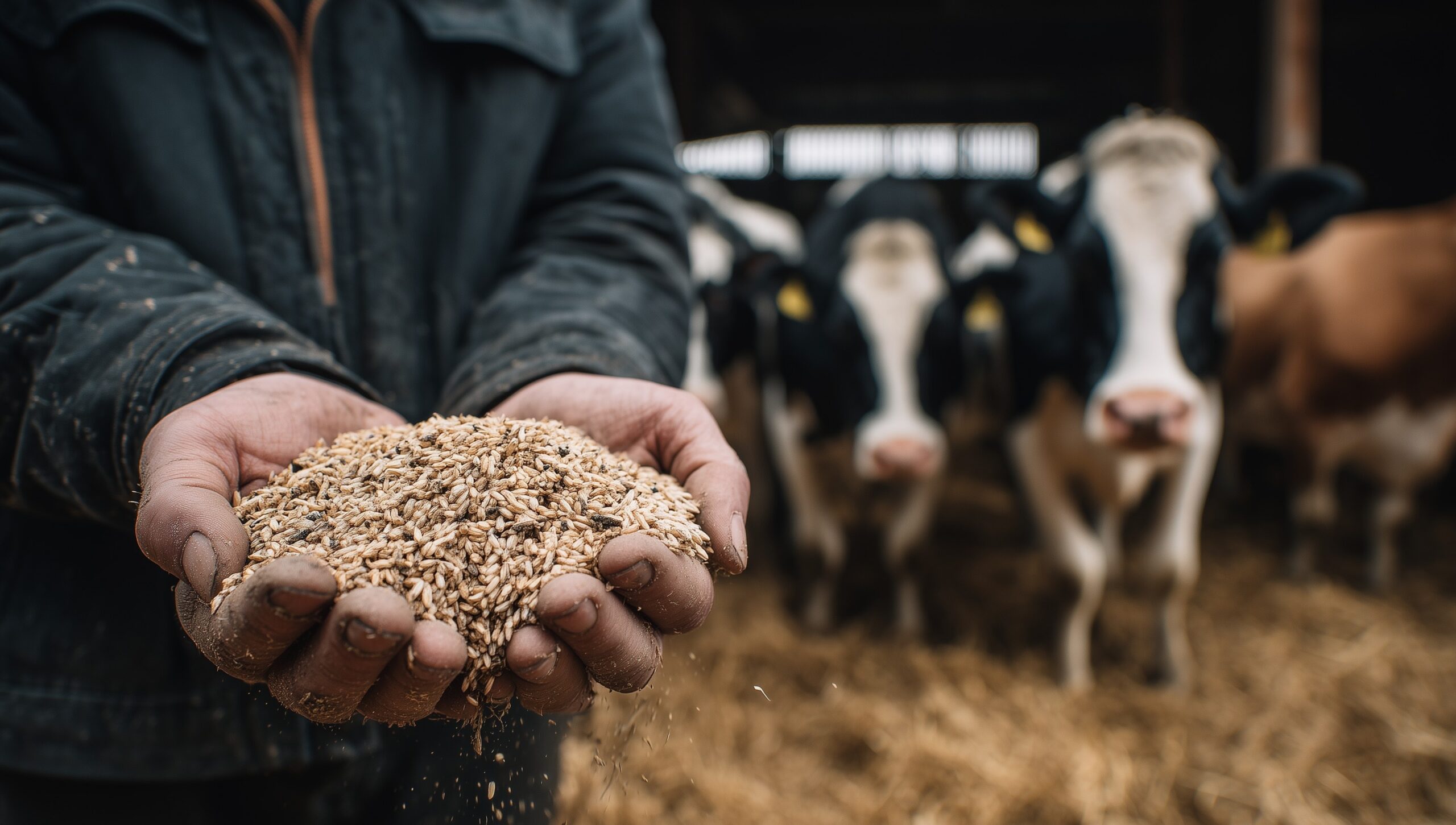
Alsike makes very good quality hay in a grass/hay mixture and is also quite tolerant of grazing*. Forage quality is very high, similar to alfalfa.
*There are some cautions when grazing Alsike, specifically as it relates to horses and other livestock, where toxicity, bloat, and skin irritation issues exist. While Alsike is very tolerant of grazing, learn more about these issues before recommending or using Alsike in situations where grazing may occur.
Nitrogen producer.
Alsike can fix 60-120 lbs N/ac/yr and two to five tons DM forage yield.
(LATE SUMMER, FALL) (WILDLIFE, COVER CROP. FORAGE, GRAZING, HAY)